
BonziBuddy: The Infamous Purple Gorilla Virtual Assistant
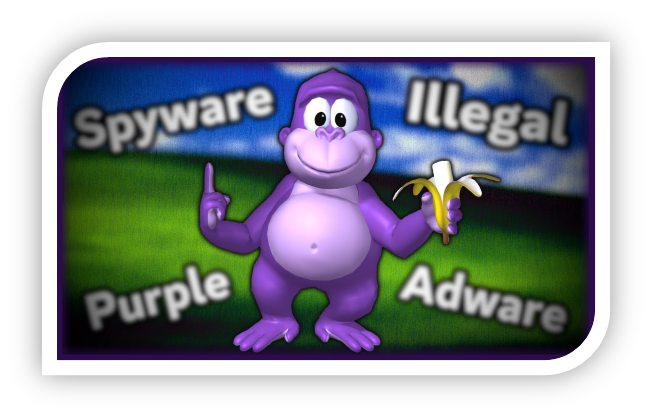
It appears your query “bemin buddy” is likely a misspelling or misremembering of BonziBuddy (often stylized as BonziBUDDY or Bonzi Buddy), a notorious piece of software from the early 2000s. Searches for similar terms overwhelmingly point to this program, which featured a purple gorilla character. No direct matches exist for “bemin buddy,” but BonziBuddy matches closely in name and cultural recognition. Below is a comprehensive overview based on its history, features, controversies, and legacy.
History and Development
- Creators: Joe and Jay Bonzi, through their company Bonzi Software, Inc.
- Initial Release: 1999, as freeware for Microsoft Windows.
- Technology: Built using Microsoft Agent (the same engine behind Microsoft Office’s “Clippy” assistant). Early versions used a green parrot character named Peedy. In May 2000, it switched to the iconic purple gorilla named Bonzi.
- Voice: Used text-to-speech from the Lernout & Hauspie Microsoft Speech API (voice known as “Sydney” or Adult Male #2).
- Evolution: Marketed heavily during the dot-com era’s shift to ad-supported “free” software. Final version (4.1) released around 2005.
- Discontinuation: Officially stopped in 2004 due to lawsuits and backlash. The company’s website (bonzi.com) closed in late 2008.
BonziBuddy emerged when many users (including children and less tech-savvy adults) freely downloaded “helpful” tools, similar to Microsoft Bob or Clippy.
Advertised Features and Capabilities
BonziBuddy was promoted as a fun, interactive virtual assistant and “internet buddy.” Key advertised functions included:
- Telling jokes, facts, and stories.
- Singing songs.
- Helping with internet searches and downloads.
- Reading emails aloud.
- Managing basic tasks like reminders or calendar entries.
- Conversing with users via text input and speech output.
- Animating on the desktop (walking, talking, reacting).
It was billed as a friendly guide for navigating the early internet, especially appealing to kids with its cartoonish gorilla.
Actual Behavior: Adware and Spyware
Despite the cute facade, BonziBuddy was widely classified as adware and spyware by security firms like Symantec, Trend Micro, and Consumer Reports:
- Changed the browser homepage to bonzi.com without permission.
- Installed unwanted toolbars.
- Displayed persistent pop-up ads.
- Collected user data (including personal information and browsing habits) via a backdoor trojan.
- Tracked contacts and prompted for more data.
- Bombarded users with ads for Bonzi Software products (e.g., InternetAlert, a paid “speed booster” that offered minimal benefits).
In 2002, Consumer Reports labeled it a “backdoor trojan.” It became a prime example of deceptive “free” software that monetized through privacy invasion.
Controversies and Cultural Impact
- Public Backlash: Users complained about its intrusiveness—it would pop up unexpectedly, obscure screens, and be hard to remove. In 2007, PC World readers voted it among the “20 Most Annoying Tech Products.”
- Media Coverage: Called a “spyware scourge” in newspapers (2004) and “unbelievably annoying trojan horse” by BusinessWeek (2006).
- Lesson in Internet Safety: It taught an entire generation caution about downloading unknown programs, especially those promising “free” helpers. Often compared to modern bloatware or unwanted browser extensions.
Legal Issues
- 2003 Class Action Lawsuit: Settled after accusations of deceptive ads mimicking Windows alerts to sell products.
- 2004 FTC Action: Bonzi Software fined $75,000 for violating the Children’s Online Privacy Protection Act (COPPA) by collecting info from kids under 13 without parental consent.
These actions contributed to its downfall and stricter regulations on online ads and privacy.
Legacy
Today, BonziBuddy is an internet meme and nostalgic symbol of Web 1.0 chaos:
- Parody videos on YouTube feature its voice and animations.
- Fan sites archive the original software and website.
- A Mac OS X parody version appeared in 2007.
- Retrospective articles (e.g., from How-To Geek) note its “charm” despite flaws, viewing it as a quirky relic of early malware.
It remains a cautionary tale about the risks of “free” software and helped shape modern antivirus awareness.
Also Read: